



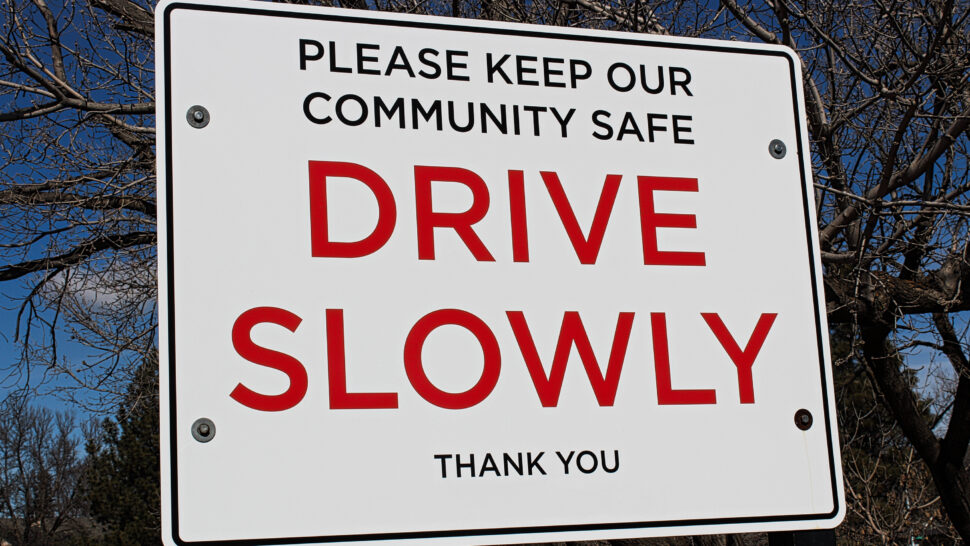
Community associations are no exception to the ubiquitous challenge of speeding on streets around the world. In private communities, safety isn’t just a feature, it’s a cornerstone. It’s one of the primary reasons people choose neighborhoods.
According to the National Highway Traffic Safety Administration, higher speeds significantly increase the likelihood of accidents and the severity of injuries. In community associations where children play and families walk, the risks are even more pronounced. A car traveling just a few miles per hour faster than the speed limit can turn a minor collision into a catastrophic event.
Associations have a crucial role in managing traffic flow and ensuring road safety. Because associations are not bound by city ordinances, they have the flexibility to address specific issues without waiting for municipal intervention.
Traffic calming isn’t just about installing a few speed bumps. It encompasses a range of solutions designed to reduce vehicle speeds and enhance road safety. Some pivotal steps in the process include:
Assessing the challenge. Before suggesting any modifications, ensure the suspected problems exist. This can be done with a traffic study or speed tracking devices.
Getting resident buy-in. While residents may be the ones speeding, they’re also often the ones invested in safer living. Give them details on possible solutions and expected results and engage them in the improvement process.
Choosing solutions. Explore options including physical devices like speed cushions, interactive tools like driver feedback signs, and enforcement solutions like speed cameras. Learn the pros and cons of each and how others use them.
Implementing change. Give residents time to get used to the changes. If using speed cameras with ticketing, give drivers a grace period to adjust their behavior.
Evaluating results. Access traffic data once solutions are in place to ensure they are making a difference.
One real life example of successful traffic calming is Parkland Golf and Country Club in Florida. The vibrant, young community was concerned about speeding and implemented speed cameras specifically designed for their roads. The results were remarkable. Within just eight weeks, the community saw a 91% decrease in the number of people speeding, with homeowners grateful for a more peaceful neighborhood atmosphere.
Community associations can address speeding and create safer, more welcoming environments for residents through thoughtful traffic calming strategies. Implementing these solutions can have a significant impact on community safety and quality of life.