



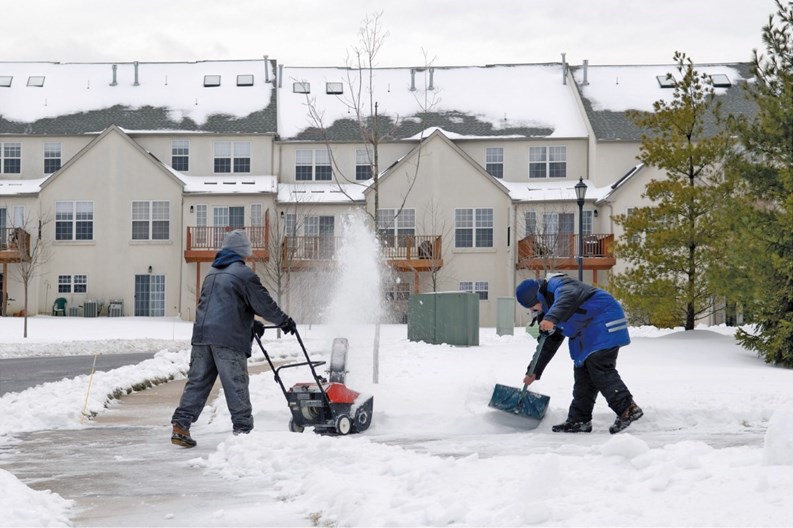
Winter weather presents unique challenges for community associations. Snow and ice removal is a critical safety function, and the Association takes this responsibility seriously. At the same time, snow events — especially large or prolonged storms — require careful coordination, prioritization, and budget oversight.
This article outlines what homeowners can expect from the Association during snow and ice events, and how services are managed to balance safety, efficiency, and cost control.
- Coordinating Professional Snow Removal Services
The Association is responsible for contracting and coordinating licensed and insured snow removal vendors to service common areas within the community.
This typically includes:
- Community roadways
- Common parking areas
- Fire lanes and emergency access routes
- Shared sidewalks and common walkways
- Building entrances and other high-traffic common areas
Snow removal vendors are dispatched based on weather conditions, contract requirements, and safety priorities.
- Prioritizing Safety-Critical Areas
During snow events, especially larger storms, services are often performed in phases.
The Association prioritizes:
- Emergency access routes
- Fire lanes
- Main roadways and entrances
- ADA-accessible routes and building entrances
Secondary areas may be addressed after snowfall ends or once primary routes are safely cleared. This approach helps ensure emergency access and reduces unnecessary repeat service calls.
- Monitoring Weather Conditions & Vendor Activity
The Association actively monitors:
- Weather forecasts and storm timing
- Temperature changes that affect icing conditions
- Vendor response times and service completion
Snow and ice treatment decisions are made based on real-time conditions, not just snowfall totals. In some cases, ice treatment may be delayed until temperatures allow materials to be effective.
- Managing Snow Removal Costs Responsibly
Snow removal is one of the most variable expenses in an association’s annual budget. The Association works to manage these costs responsibly by:
- Operating within approved snow budgets whenever possible
- Monitoring vendor invoices for accuracy
- Avoiding unnecessary or redundant service calls
- Adjusting service levels during prolonged or severe storms
While safety always remains the top priority, cost-conscious decision-making helps protect the financial health of the Association.
- Communicating with Residents
The Association and management team provide updates to residents when appropriate, which may include:
- Snow parking restrictions
- Delays due to weather severity
- Trash or service interruptions related to snow events
- Reminders about homeowner responsibilities
Clear communication helps set expectations and allows snow removal operations to proceed efficiently.
- Enforcing Community Snow Policies
When necessary, the Association may enforce snow-related rules outlined in governing documents or adopted policies, including:
- Temporary parking restrictions
- Access requirements for plowing
- Compliance with safety-related directives
Enforcement is not punitive — it is intended to ensure safe conditions and reduce avoidable costs caused by service disruptions.
- Planning for Long-Term Winter Readiness
Beyond individual storms, the Association also plans ahead by:
- Reviewing snow contracts annually
- Evaluating past winter performance
- Adjusting budgets or reserves based on historical snowfall
- Identifying opportunities to improve efficiency in future seasons
This long-term planning helps the community remain prepared for both mild and severe winters.
A Shared Effort for a Safer Winter
Snow and ice management works best when everyone understands their role. The Association is committed to coordinating professional services, prioritizing safety, managing costs responsibly, and communicating clearly. When combined with homeowner cooperation and board oversight, this shared approach helps ensure a safer and more manageable winter season for the entire community.